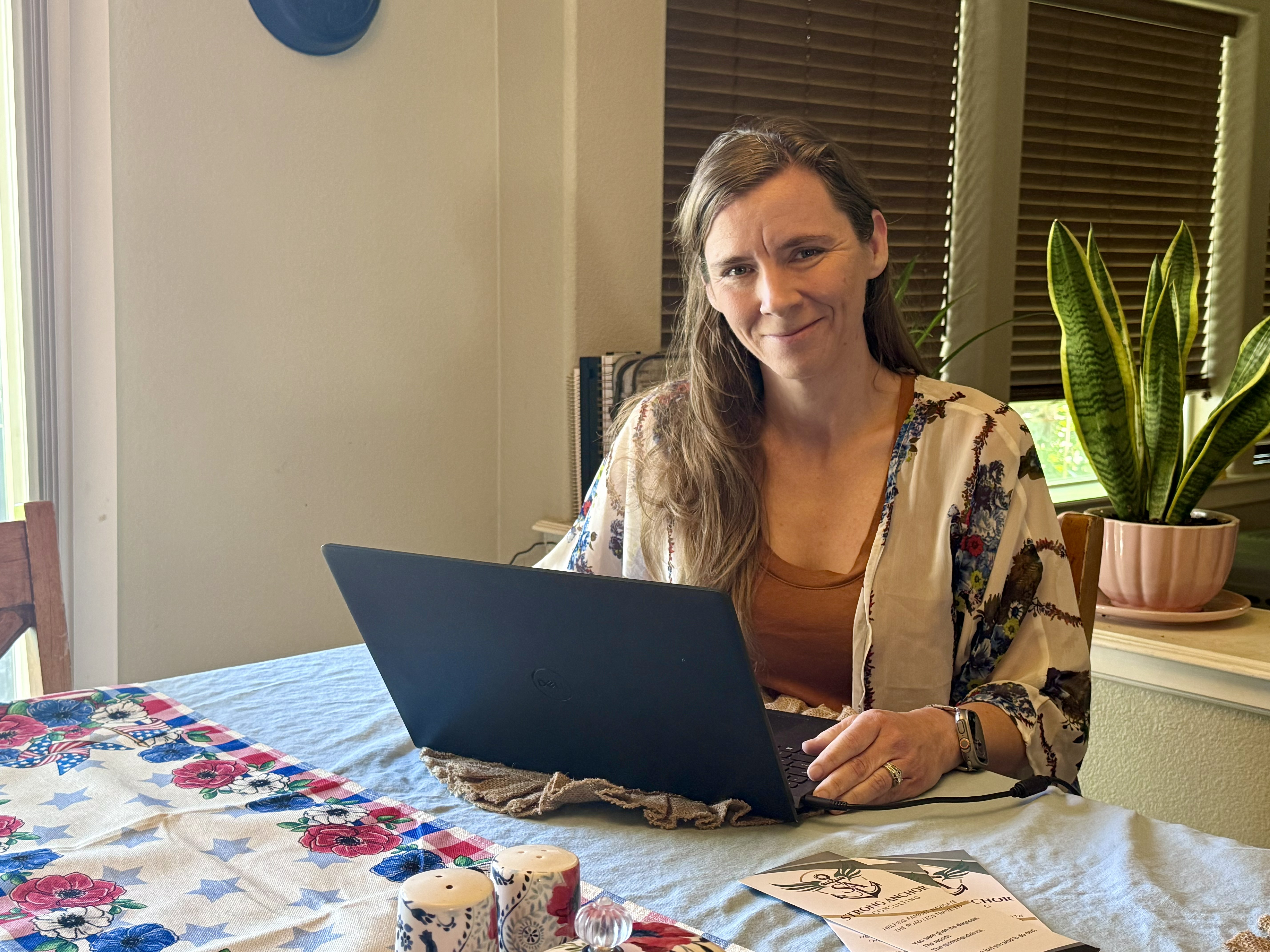
A disability navigation consultant helps parents manage complex state systems, special education services, and developmental disability resources. This business simplifies the administrative burden of caregiving while ensuring children receive the full range of benefits and educational accommodations they deserve.
Receiving a disability diagnosis for your child often feels like being handed a complex map written in a language you do not speak. While Idaho offers essential resources, the gap between a medical diagnosis and the reality of daily life remains vast. Many families find themselves drowning in paperwork or struggling to interpret the nuances of the Katie Beckett program without a clear guide. This disconnect does more than cause stress; it delays access to the support your child deserves. In this article, we will examine how a disability navigation consultant serves as the missing piece for Idaho families. You will learn the practical steps for securing state funding, strategies for mastering special education meetings, and how to transition from feeling overwhelmed to becoming fully equipped.
The Gap Between Diagnosis and Daily Life in Idaho
The moment a parent receives a diagnosis for their child, the world shifts. It is Day One, a time often characterized by a dizzying mix of fear, confusion, and a sudden influx of medical jargon. In Idaho, families are frequently handed a packet of papers or a list of websites pointing toward state disability services and related services providers. While these resources are vital, there is a profound gap between receiving a list of services and actually understanding how to integrate them into a functioning household. Having a map is useless if the terrain is shifting and the language is foreign.
Generic advice found on broad health platforms often suggests simple steps like building a support network or practicing self-care. While well intentioned, these suggestions fail to address the strategic complexity of Idaho’s specific systems. It moves beyond service procurement, which is the mere act of signing up for a program, and moves toward capacity building. This approach recognizes that you are already resourceful. The goal is to equip you with the specific language and strategic knowledge required to navigate the road less traveled.
The mental stress of this transition is significant. It is not just about the child’s needs; it is about the parent’s capacity to manage a new, unexpected career as an advocate, service coordinator, and default expert. By learning more about our mission, families can find a partner to help bridge this gap. We offer comprehensive disability navigation services that transform the overwhelming list of to-dos into a structured roadmap. If you feel like you are drowning in paperwork and acronyms, you can contact Kristi to start building the confidence you need for the long road ahead.
What Does a Disability Navigation Consultant Actually Do
Most people have never heard the phrase "disability navigation consulting." Here's what it means in plain English: when a family has a child with a disability, there are dozens of separate systems they may need to work with — their school, their pediatrician, therapy providers (like speech, occupational, or behavior therapy), Medicaid, state programs, and more.
None of those systems talk to each other. None of them hand families a roadmap. Each one assumes parents already know how the others work.
The result is a maze.
Kristi Young, founder of Strong Anchor Consulting, helps families find their way through that maze. She doesn't replace anyone — she connects the dots so families can move forward with confidence.
"I'm not the doctor, I'm not the therapist. I'm the guide."
Idaho has wonderful organizations and dedicated professionals already supporting families — special education advocates, case managers, parent-support groups, statewide nonprofits, and pediatric specialists doing important work. Strong Anchor doesn't compete with any of them. It works alongside them.
"What I do is fill the in-between space," Kristi explains. "Your case manager helps with one piece. Your school works on another. Your therapist focuses on something else. But who's helping you see the whole picture? Who's helping you understand why all these pieces matter and how they connect? That's the gap I sit in."
No job too big or too small
One of the most common things Kristi hears from families is, "I didn't even know I could ask for help with that." Her work spans everything from big strategic planning to the small, specific questions that come up day to day.
That might mean:
Choosing the right school for a child with a disability — and knowing what to do when something isn't working
Walking through how special education supports actually work, including the IEP (short for Individualized Education Program — a written plan describing the supports a child gets at school): what families can request, what schools are required to provide, and what to do when something feels stuck
Finding credible, trustworthy sources of information about a specific disability. "Google isn't the right tool for this," Kristi often tells parents. "There's so much noise online, and well-meaning advice that doesn't apply to your child. We work together to find the sources that actually know what they're talking about."
Connecting families to disability-specific communities — the support groups, networks, and organizations that know a particular diagnosis inside and out, where parents can find people who truly understand
Navigating medical systems — helping parents understand what doctors and specialists are asking, coordinating care between providers, and identifying what resources are available for their child
Choosing therapy providers and understanding what each type of therapy actually does and when it makes sense
Walking through paperwork sentence by sentence so families know exactly what they're signing — including Medicaid applications and state programs like the Katie Beckett option, which helps Idaho children with significant disabilities access Medicaid even when family income wouldn't otherwise qualify
Understanding behavior — what a child may be trying to communicate and how to respond
Everything in between, including the small questions families assume aren't important enough to ask
"There's no job too big or too small," Kristi says. "If a parent is stuck on a single sentence in a form, that's worth my time. If they need a long-term roadmap, that's also worth my time. The whole point is meeting families exactly where they are."
How to Support a Friend Whose Child Was Diagnosed with a Disability

When a friend in the Treasure Valley shares that their child has received a disability diagnosis, your first instinct is likely to provide comfort. However, well intentioned phrases like "everything happens for a reason" or "you are so strong" can inadvertently minimize their experience. Supporting a loved one requires a shift from platitudes to practical actions. Instead of offering vague help like "let me know what you need," provide concrete commitments. Tell them, "I will pick up your groceries on Wednesday afternoon," or "I am taking your other children to the park for two hours on Saturday." These specific acts of service reduce the daily cognitive load on a family already stretched thin by new medical appointments and paperwork.
Beyond immediate tasks, one of the most impactful ways to help is by connecting them with specialized expertise. A disability navigation consultant Idaho family support expert can provide the technical and strategic framework that friends and family cannot. If you notice a friend is drowning in the technicalities of the Katie Beckett application or struggling to prepare for school meetings, gently suggest professional guidance. By pointing them toward comprehensive disability navigation services, you are helping them build a sustainable future rather than just surviving the week. If you are looking for ways to provide long term stability for a loved one, you can contact a consultant today to learn how to best facilitate a connection to these resources.
Moving from Overwhelmed to Equipped
A disability navigation consultant understands local bottlenecks and identifies the specific practitioners in our community who actually have openings. This localized knowledge saves you months of trial and error with outdated provider directories that often fail to reflect the reality of our growing area.
At Strong Anchor Consulting Support, we operate on the firm conviction that families are capable. Your family does not need fixing; rather, the systems surrounding you require a high level of strategic management. When you shift from a state of reactionary overwhelm to one of equipped capability, the entire dynamic of your household changes. By utilizing comprehensive disability navigation services, you stop being a passenger in the process. Strategic guidance is the mechanism that turns daily survival into powerful, effective advocacy.
Navigating the disability support system is often a daunting task, but you do not have to face these challenges alone. Having a dedicated consultant ensures your family has the guidance needed to access essential resources and long term stability. If you want expert help managing these complex processes, we invite you to learn more. You can review our full range of Services to find the right level of support for your specific needs.